
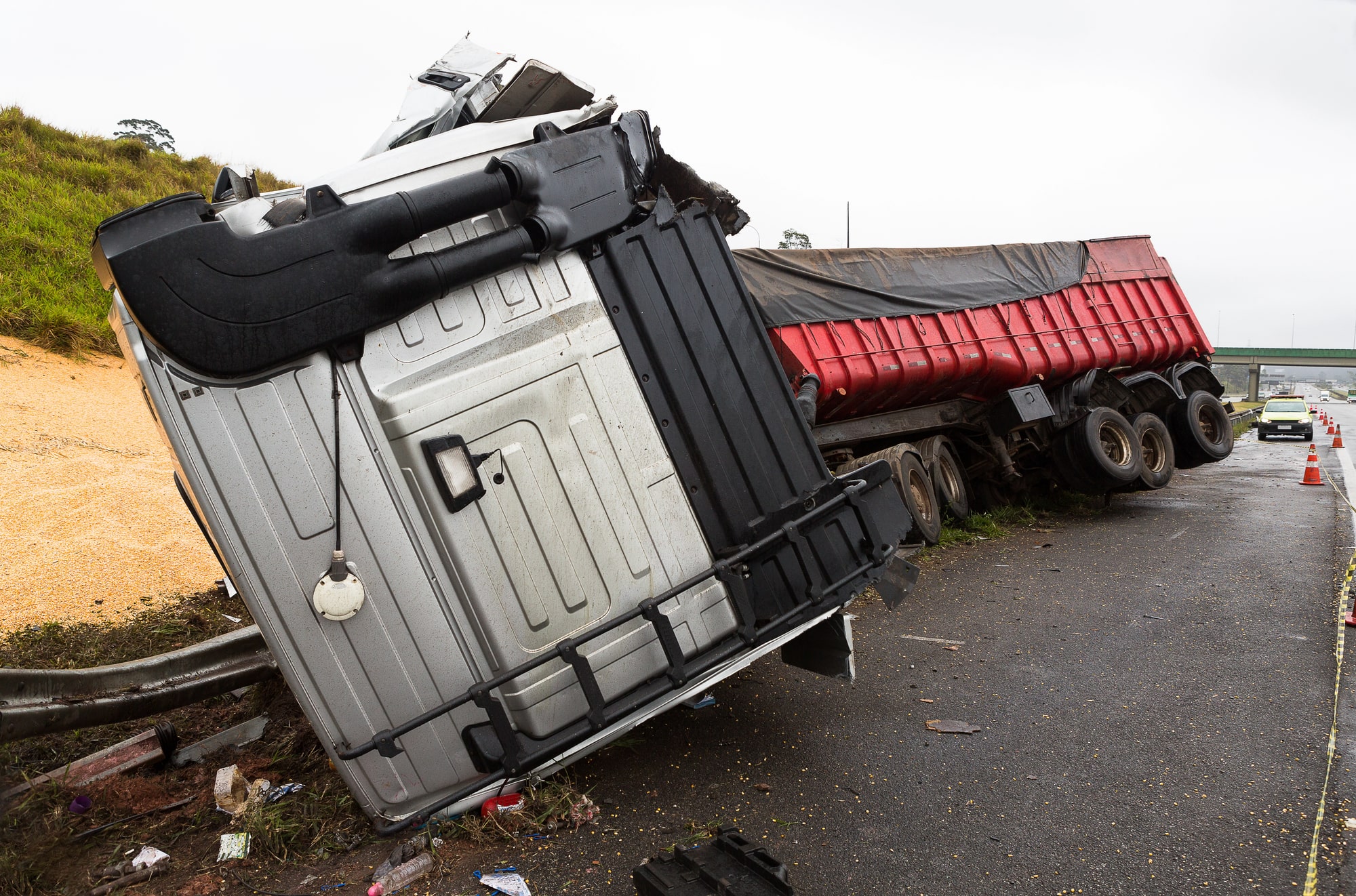
Our friends at Loshak Law PLLC discuss how weather conditions play a major role in many accidents. Rain, fog, wind, ice, and other adverse conditions can reduce visibility, change road traction, and increase stopping distances. While weather may contribute to accidents it does not automatically excuse negligent behavior. Understanding how weather conditions affect liability in accident cases helps injured victims determine whether someone else may still be legally responsible for their injuries. An experienced truck accident lawyer can help analyze the circumstances, identify negligence, and pursue compensation even when weather is a factor.
Common Weather Conditions That Contribute to Accidents
Several types of weather frequently appear in accident investigations. Rain can create slick roads and reduce tire traction. Fog limits visibility and reaction time. Snow and ice increase braking distances and lead to loss of control. High winds can push vehicles out of lanes. Even bright sunlight can cause glare that interferes with safe driving.
Weather Is Not an Automatic Defense
A common misconception is that bad weather removes liability. In reality drivers are expected to adjust their behavior to road and weather conditions. Failing to slow down increase following distance or use headlights during adverse weather can constitute negligence.
Duty of Care During Adverse Weather
Drivers have a duty to operate their vehicles safely given existing conditions. This includes reducing speed, maintaining proper lookout, and responding appropriately to changing circumstances. The standard of care increases when weather conditions make driving more dangerous.
How Liability Is Determined in Weather Related Accidents
Investigators and insurers examine whether a driver acted reasonably given the weather. Police reports witness statements, traffic camera footage, and vehicle data may show speed braking patterns and lane control. The question is whether the driver adjusted behavior appropriately for conditions.
Rear End Collisions in Bad Weather
Rear end accidents are common during rain and snow. While weather may lengthen stopping distances drivers are still required to maintain safe following distances. Many rear end collisions during bad weather remain the fault of the trailing driver.
Single Vehicle Accidents and Weather
In some cases a driver loses control during severe weather and crashes without involving another vehicle. Liability may still exist if the driver was speeding using worn tires or ignoring weather warnings. Road maintenance issues may also contribute.
Role of Comparative Negligence
Weather related accidents often involve comparative negligence arguments. Insurers may argue that multiple parties failed to adjust behavior appropriately. Fault may be divided among drivers depending on their actions.
Commercial Drivers and Weather Responsibilities
Commercial drivers are often held to higher standards. They receive special training and operate larger vehicles that require greater caution. Failure to stop operations during dangerous weather may increase liability for both drivers and employers.
Government Entity Liability
Poor road maintenance, inadequate drainage, missing signage, or failure to clear ice may contribute to accidents. In certain cases government entities may share liability, although claims against them follow special rules and deadlines.
Using Weather Data as Evidence
Weather reports, radar data, and meteorological records may be introduced as evidence. This data helps establish road conditions at the time of the accident. Combined with vehicle evidence it supports liability analysis.
Insurance Company Tactics
Insurers often blame weather to avoid paying claims. They may argue accidents were unavoidable acts of nature. Injury victims must counter these arguments by showing driver negligence under prevailing conditions.
Steps Injury Victims Should Take
Victims should document weather conditions, photograph accident scenes, preserve vehicle damage, and obtain witness statements. Medical care should be sought immediately. Police reports often note weather conditions.
How Attorneys Prove Liability Despite Weather
Experienced personal injury attorneys show that reasonable drivers could have avoided the crash by adjusting behavior. Attorneys use specialists, accident reconstruction, and weather data to demonstrate negligence.
Settlement and Litigation Considerations
Weather related cases may settle once evidence shows negligence. When disputes remain, litigation allows courts to weigh whether conduct met legal standards given conditions.
Weather conditions can complicate accident liability analyses but they do not excuse negligent driving. Drivers must adjust to conditions or face responsibility for resulting injuries. Understanding these principles helps victims pursue fair compensation.